

Offsite construction explained: Benefits, principles, and applications
3 min read | Published July 30th 2025 | Updated October 7th 2025 | James Osborne
Our latest guide explores what modular construction is, its applications, and how it could benefit your business.


Are you considering offsite construction for your next project, but unsure if it’s right for you? We’re taking a look at what modular construction entails, the benefits of utilising it, and whether you should use it in your next building project.
What is offsite construction?
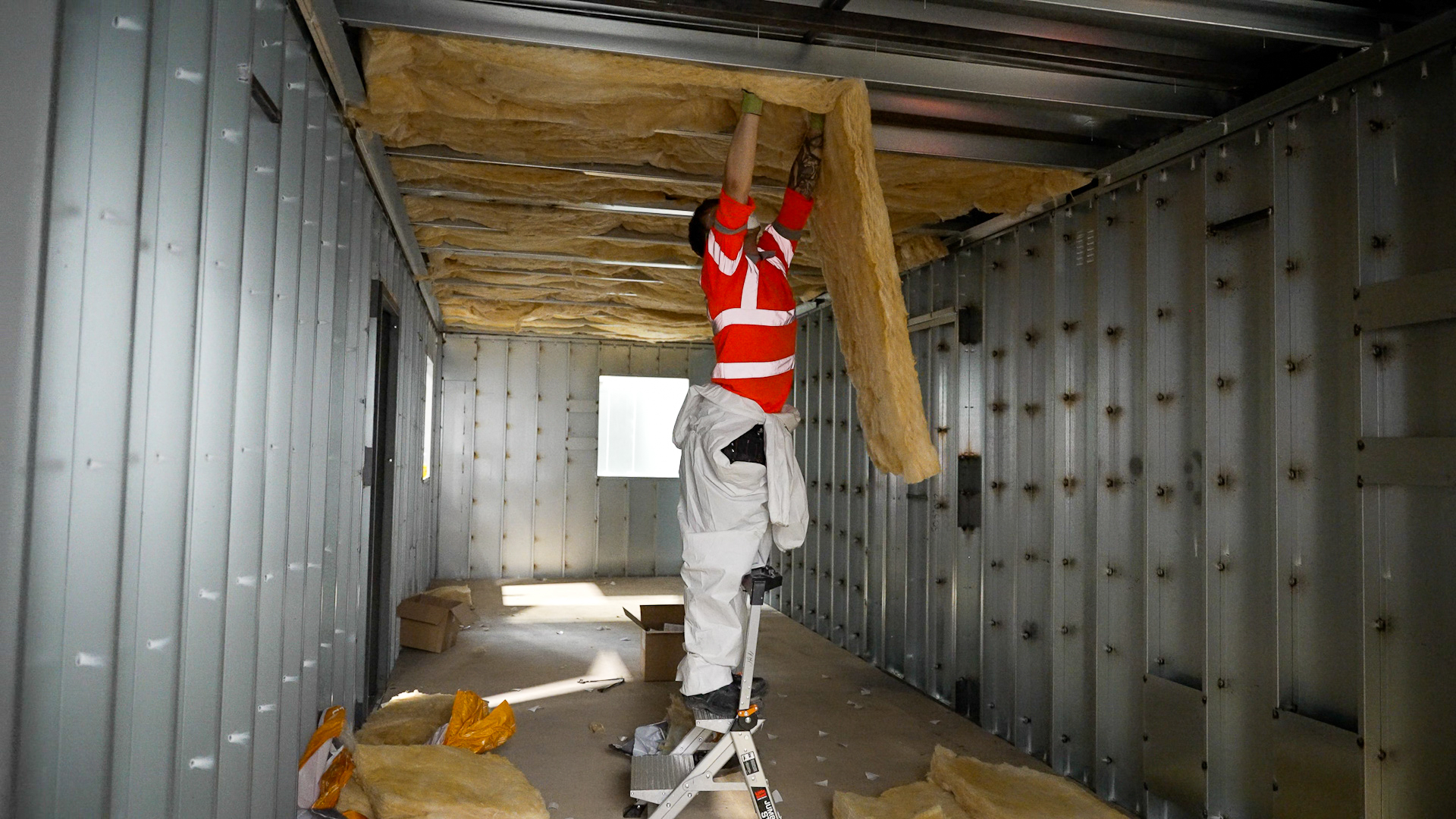
Offsite construction, also known as offsite manufacturing or modular construction, is a method where building components are designed and manufactured away from the final building site, usually within a factory environment.
It falls under the umbrella of modern methods of construction (MMC), and is growing in popularity, as demand for education, health, and sports infrastructure increases, with offsite construction offering a faster, more streamlined approach than its traditional counterpart.
What are the principles of offsite construction?
Offsite construction is built on ensuring efficiency and high-quality, taking key principles into account including:
- Building Information Modelling (BIM): this is a process for creating and managing information on a construction project, encouraging collaboration between all parties involved in a building project, using intelligent 3D models to support phases from planning through to construction.
- Design for Manufacture and Assembly (DfMA): this is a design approach which focuses on how easily a product is manufactured, and how efficiently it’s assembled. While it’s traditionally been used in sectors such as the automotive industry to produce high quality products in large numbers, more recently it’s been adopted in modular construction, for optimising building design to enable efficient production of modules.
What are the benefits of offsite construction?
There are several benefits of offsite construction, including:
- Benefits to local economies: Faster builds support local economies by creating jobs and delivering infrastructure improvements more quickly.
- Shorter construction times: Offsite manufacturing allows for faster project completion as modules are manufactured in controlled, indoor, environments, with groundwork being conducted simultaneously, reducing the effect of weather delays
- Minimal site disruption: Modular construction reduces onsite activity, minimising disruption and improving safety, ideal for areas which need to continually operate like schools and hospitals
- Use of latest technology and innovations: Offsite methods often incorporate cutting-edge tools like BIM and automation, driving innovation in construction
- Fully functional at handover: Modular buildings are delivered ready to use, and can be complete with specialised facilities such as computer labs, or adapted to suit those with Special Educational Needs and Disabilities (SEND)
- Low maintenance and high durability: Built with long-lasting materials, modular buildings require little upkeep and can last over 60 years with proper care
- Sustainability: Modular manufacturing reduces waste, emissions, and supports energy efficiency, making it an environmentally-responsible choice
Should I choose offsite construction for my next project?
If you’re looking to fast-track your construction process, and build durable, modern infrastructure, fit for purpose in the 21st century, you should opt for offsite manufacturing.
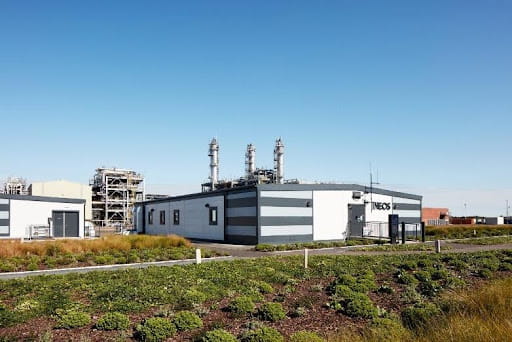
Modular construction can be used across a wide variety of applications, whether you’re looking to construct a multi-storey school building complete with science labs, or a specialised healthcare building containing A&E wards and rest areas.
At Thurston Group, we have experience working with a wide variety of industries, ranging from the healthcare and education sectors, through to sports and leisure, residential, and commercial.
If you’d like to see how offsite construction could work for your next project, get in touch with our expert team, and we’ll discuss how we can create a design that fits your needs.